
When it comes to plant-based dining, IKEA’s plant balls might just be the unsung heroes of the meatless world. These little orbs aren’t just a quirky addition to the Swedish meatball menu; they’re packed with flavor and nutrition that’ll make even the most devoted carnivore raise an eyebrow. Who knew that a trip to the furniture store could also double as a health-conscious culinary adventure?
But what’s the real scoop on these plant balls? Are they a guilt-free indulgence or just another trendy food fad? Dive into the delicious details as we explore the nutritional value of IKEA’s plant balls. With a blend of wholesome ingredients and a sprinkle of Scandinavian charm, these bites could be the perfect solution for anyone looking to spice up their plant-based diet without sacrificing taste or fun.
IKEA Plant Balls Nutrition
IKEA’s plant balls offer an appealing alternative in the plant-based food landscape. Made primarily from pea protein, they provide a source of plant-derived protein that rivals traditional meat options. Each serving contains 15 grams of protein, contributing significantly to daily dietary requirements.
Nutrient density characterizes these plant balls. They contain essential vitamins and minerals, including iron and vitamin B12, important for a balanced diet. Plus, their fiber content supports digestive health, with each serving containing 4 grams of dietary fiber.
Sustainability also plays a role in their appeal. Compared to traditional meat production, plant-based options like these have a reduced carbon footprint. This makes them an attractive choice for environmentally conscious consumers.
Texture and flavor enhance the overall eating experience. Their meat-like consistency and savory taste may entice even the most dedicated meat enthusiasts. Customers enjoy them in various dishes, such as wraps, salads, or as a standalone meal.
Availability adds convenience for busy lifestyles. IKEA enables customers to easily find plant balls in their stores and online. This accessibility contributes to their growing popularity among those seeking convenient yet nutritious plant-based foods.
Nutritional Ingredients
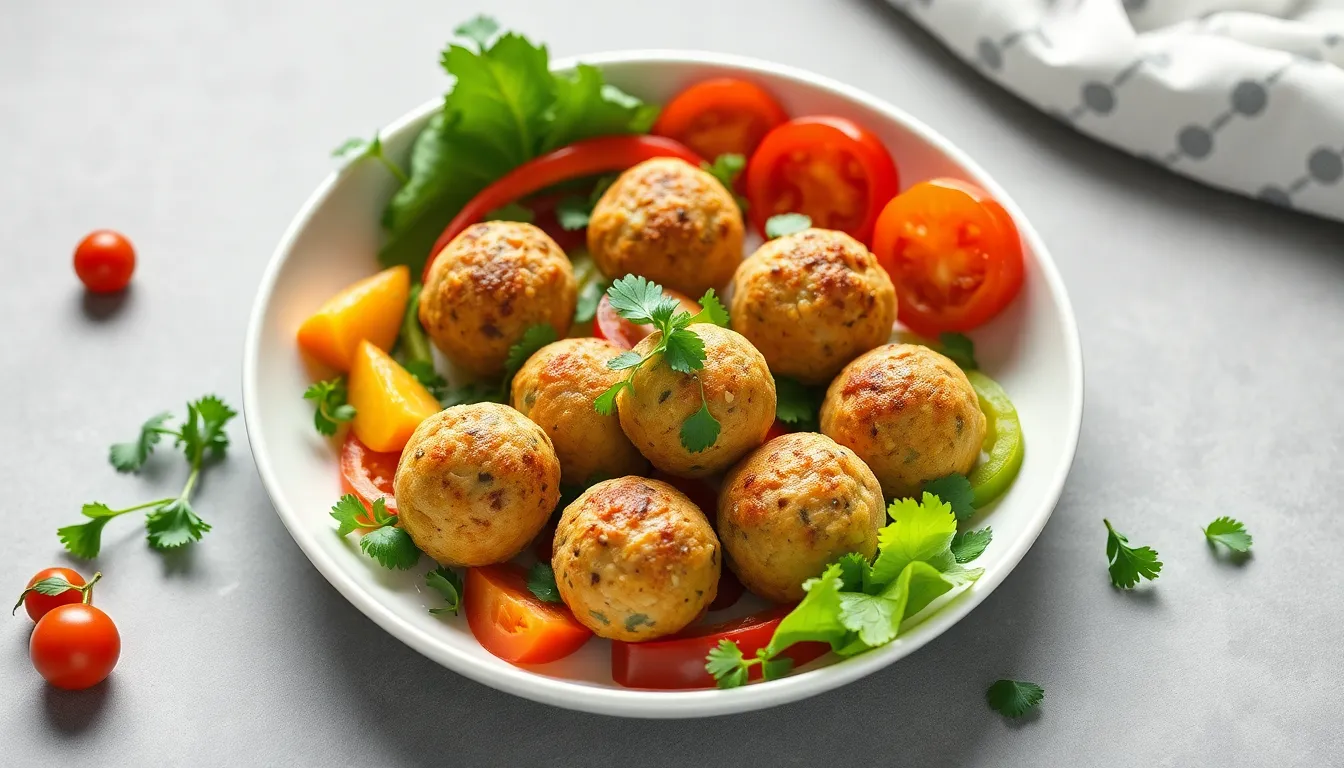
IKEA’s plant balls provide a blend of key ingredients that contribute to their nutritious profile. These components support a balanced plant-based diet while maintaining a great taste.
Plant-Based Composition
Pea protein forms the primary base for IKEA’s plant balls. This ingredient ranks high for its protein density and essential amino acids, appealing to those seeking plant-derived options. Other ingredients include potatoes and oats that enhance texture and flavor, making the plant balls satisfying. The commitment to plant-based compositions aligns with dietary preferences for environmentally conscious consumers, resonating with those exploring meat-free alternatives.
Protein Content
Each serving of IKEA’s plant balls delivers 15 grams of protein, contributing significantly to daily protein intake. This amount meets the needs of those looking for protein-rich plant-based foods. By offering a plant protein source, they cater to various diets, including vegetarian and vegan lifestyles. This high protein content not only aids muscle maintenance but also supports overall health and wellness goals.
Fiber and Nutrients
IKEA’s plant balls provide 4 grams of dietary fiber per serving, promoting digestive wellness. This fiber content assists in maintaining healthy digestion and contributes to feeling full longer. Essential vitamins and minerals, such as iron and vitamin B12, further enhance their nutritional value. These nutrients play a crucial role in energy production and overall bodily functions, making the plant balls a wholesome addition to meals.
Health Benefits of IKEA Plant Balls
IKEA plant balls offer several health benefits that cater to a wide range of dietary needs. With a base of pea protein, each serving delivers 15 grams of protein, supporting muscle growth and repair. These vegan alternatives also contain essential vitamins like vitamin B12 and minerals such as iron, contributing to overall wellness.
Comparison to Traditional Meatballs
Traditional meatballs often contain high levels of saturated fat and cholesterol, which can pose health risks when consumed in excess. In contrast, IKEA plant balls provide a healthier profile, offering lower fat content and zero cholesterol. These plant-based options contain dietary fiber, aiding in digestion and providing satiety. While meatballs may satisfy cravings, IKEA’s plant balls deliver a delicious, nutritious alternative without the drawbacks of red meat. Taste testers frequently note how similar the texture and flavor are to traditional meat, making them an appealing choice.
Impact on Dietary Choices
Opting for IKEA plant balls can positively influence dietary habits. Individuals exploring plant-based diets may find these options a comfortable transition from meat-centered meals. Nutritious and satisfying, these plant balls make it easier to fulfill daily protein requirements. Many health-conscious consumers appreciate their role in reducing carbon footprints, aligning dietary choices with sustainability goals. Additionally, IKEA’s plant balls promote inclusivity, as they cater to various dietary restrictions, including vegan, vegetarian, and gluten-free diets, supporting diverse lifestyles and preferences.
Cooking and Serving Suggestions
IKEA plant balls offer versatile cooking options that cater to various tastes. Enjoy them baked, pan-fried, or simmered in rich sauces. Baking provides a healthy, lower-fat option, while pan-frying achieves a crispy exterior that enhances flavor. Simmering plant balls in marinara or curry sauces adds depth and creativity to meals.
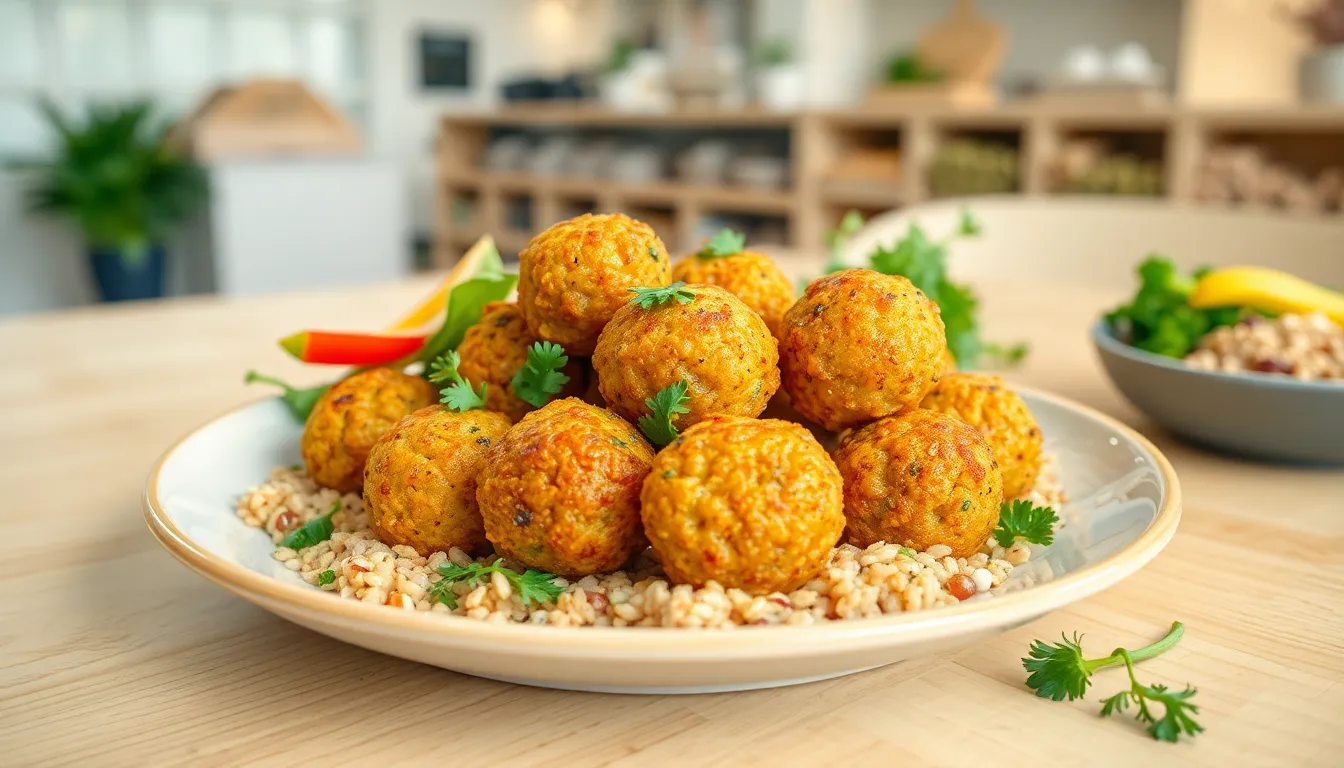
Pairing is crucial when serving plant balls. Combine them with whole grains like quinoa or brown rice for a satisfying meal. Adding seasonal vegetables elevates both nutrition and color, creating an appealing presentation. For a quick option, serve plant balls in a wrap with fresh greens and avocado. These combinations enhance the overall flavor while ensuring a nutrient-dense dish.
Dipping sauces can enhance the eating experience. Consider serving with a tangy yogurt sauce or a zesty salsa for added flavor. These options provide contrasting tastes that complement the plant balls’ savory profile. Additionally, cheese lovers might enjoy a sprinkle of nutritional yeast for a cheesy flavor without dairy.
Meal prep can be efficient using IKEA plant balls. Think about batch cooking and freezing them for quick weeknight meals. Thawing and reheating offers convenience without sacrificing flavor or nutrition. Incorporating plant balls into meal plans supports balanced diets and simplifies cooking.
Offering plant balls at gatherings makes for an inviting appetizer. Arrange them on a platter alongside a variety of dips to please guests. The meat-like texture often surprises meat-oriented eaters, bridging the gap between plant-based and traditional dishes. Emphasizing practicality and enjoyment ensures plant balls shine in any culinary setting.
Conclusion
IKEA’s plant balls stand out as a delicious and nutritious choice for those seeking plant-based options. With their impressive protein content and essential vitamins and minerals they cater to a variety of dietary needs while promoting a healthier lifestyle. Their versatility in cooking and serving makes them a practical addition to any meal.
As more individuals embrace plant-based diets the appeal of these meat-like alternatives continues to grow. Their sustainable production further enhances their attractiveness to environmentally conscious consumers. Whether enjoyed at home or served at gatherings IKEA plant balls bridge the gap between traditional and plant-based cuisine, making them a satisfying option for everyone.