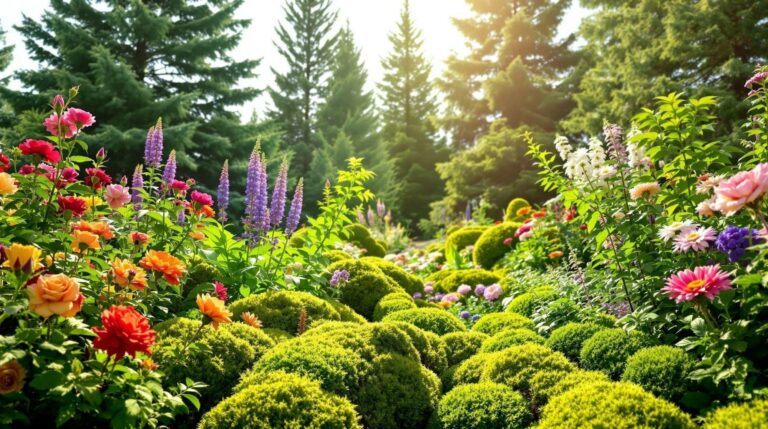
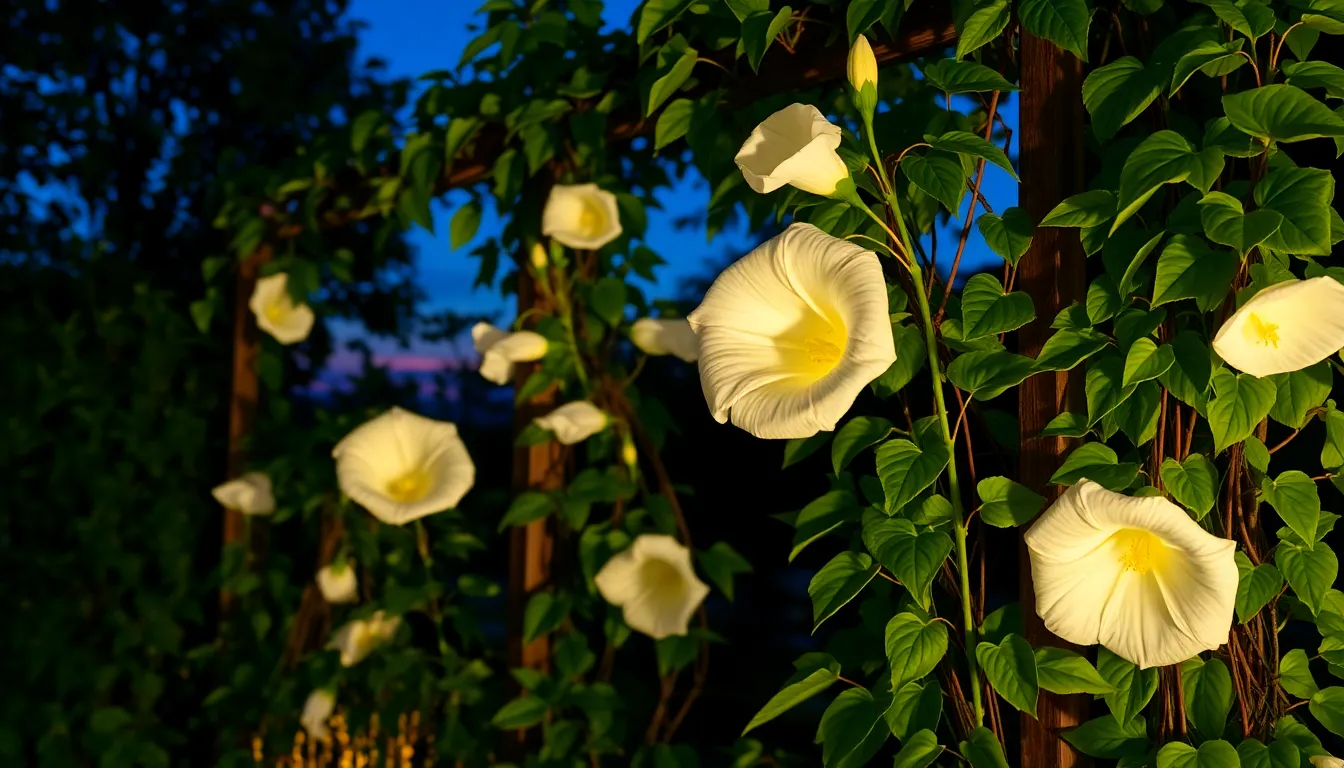

When the sun dips below the horizon and the moon takes center stage, a magical transformation begins in gardens around the world. Enter the enchanting moon flower plant, a night-blooming wonder that turns any ordinary evening into a floral fiesta. With its large, fragrant blooms unfurling under the moonlight, it’s like nature’s way of throwing a party, and everyone’s invited!
These captivating plants aren’t just a pretty face; they’re low-maintenance and thrive in the evening glow, making them perfect for those who want to add a touch of elegance without the fuss. Whether you’re a seasoned gardener or just someone looking to impress your neighbors, moon flowers are the secret ingredient to elevating your nighttime garden game. So why not let your garden shine brighter than a full moon?
Moon Flowers Plants
Moon flowers, belonging to the genus Ipomoea, showcase captivating blooms that open in the evening. These plants thrive in warm climates, flourishing in USDA hardiness zones 9 to 11. They can reach heights of up to 10 feet, making them excellent climbers for trellises or fences.
Fragrant white blooms can measure up to 6 inches in diameter, producing a sweet scent that attracts nighttime pollinators like moths. Native to tropical regions, these plants adapt well to various soil types, preferring well-drained conditions.
Though often categorized as annuals, some varieties can behave as perennials in optimal climates. Gardeners appreciate their ability to bloom throughout the summer, adding depth to nighttime gardens. Cultivating moon flowers requires minimal effort, as they demand full sun and regular watering.
Pests and diseases rarely trouble the healthy moon flower. Issues may arise from overwatering, resulting in root rot. Planting moon flowers is an effective way to enhance evening landscapes, offering beauty and fragrance after daylight fades.
Using moon flowers in landscaping creates unique nighttime visual interest. Pairing them with other night-blooming plants, like evening primrose and night-blooming jasmine, enriches outdoor experiences. Providing support structures for these climbing plants ensures they achieve their full potential.
Characteristics of Moon Flowers
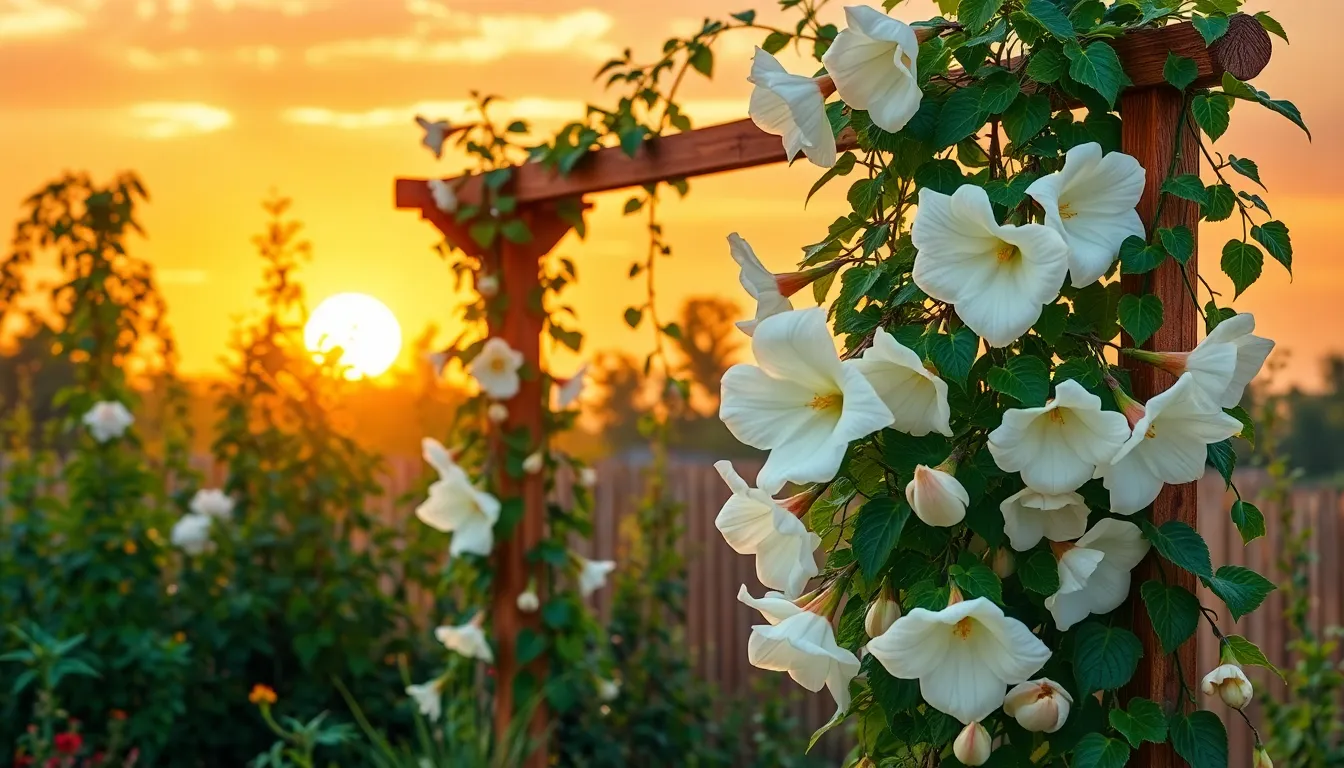
Moon flowers exhibit unique qualities that elevate nighttime gardens. Their large, white blooms and rapid growth make them stand out in any outdoor space.
Growth Habits
Moon flowers, known for their vigorous climbing ability, can reach heights of up to 10 feet. They thrive in warm climates, particularly in USDA hardiness zones 9 to 11. These plants prefer full sun exposure and require well-drained soil for optimal growth. Under ideal conditions, moon flowers can cover trellises, fences, or pergolas quickly. They display a twining growth pattern, allowing them to latch onto nearby structures as they ascend. Furthermore, these plants are relatively low-maintenance, making them perfect for both novice and experienced gardeners.
Flowering Cycle
Moon flowers bloom in the evening, revealing their fragrant, large flowers. The blossoms open around dusk and typically remain open until dawn. Each flower can measure up to 6 inches in diameter, attracting various nighttime pollinators such as moths. While often regarded as annuals, some moon flower varieties may thrive as perennials in suitable conditions. Continuous blooming occurs throughout the summer months, providing a stunning display that enhances evening outdoor experiences. Watering habits play a crucial role; consistently moist but well-drained soil ensures healthy flowering and plant vitality.
Growing Moon Flowers in Your Garden
Growing moon flowers in a garden creates a stunning nighttime display. These plants thrive under specific conditions, optimizing their growth and beauty.
Soil Requirements
Well-drained soil is essential for moon flowers. Sandy loam or loamy soil with good drainage works best. A pH between 6.0 and 7.0 supports optimal growth. Amending soil with organic matter improves fertility and drainage. Avoid heavy, waterlogged soils, as they increase the risk of root rot. Testing soil before planting ensures proper nutrient levels. This preparation enables healthy root development and vibrant blooms.
Sunlight and Water Needs
Full sun exposure plays a critical role in moon flowers’ growth. Positioning them to receive at least six hours of sunlight daily enhances blooming. Water requirements increase during peak summer heat. Regular, deep watering encourages strong roots and reduces wilting. Checking soil moisture helps maintain the right balance. Allow soil to dry slightly between waterings to prevent overwatering issues. Adhering to these guidelines fosters a robust, flourishing display throughout the summer months.
Benefits of Moon Flowers Plants
Moon flowers provide multiple benefits that enrich gardens and outdoor spaces. Their enchanting characteristics appeal to gardeners and nature enthusiasts alike.
Aesthetic Appeal
Moon flowers enhance garden aesthetics with their stunning, large white blooms. These flowers transform outdoor spaces into magical nightscapes, captivating anyone who strolls by. Their ability to bloom in the evening adds a unique charm, making night gardens come alive after sunset. In addition to their visual appeal, moon flowers can quickly cover structures, creating a lush green backdrop. Climbing abilities allow them to adorn trellises, fences, or arbors beautifully. Because of this versatility, they complement various landscaping styles, making them an excellent addition to any garden.
Attracting Pollinators
Moon flowers play a vital role in attracting nighttime pollinators like moths. Fragrant blooms release sweet scents that draw these essential creatures, enhancing the ecological balance in gardens. Pollinators visit these flowers while they’re open, ensuring effective cross-pollination. This interaction supports the growth of surrounding plants and strengthens local biodiversity. By fostering an engaging night environment, moon flowers encourage pollinator populations to thrive. As gardens flourish with these pollination-friendly plants, they become hubs for nocturnal activity, enriching the overall ecosystem.
Common Pests and Diseases
Moon flowers may face a few pests and diseases, even with their low-maintenance nature. Aphids often attack the delicate foliage, causing leaves to curl and distort. Neem oil acts as an effective treatment for these tiny pests, restoring plant health.
Whiteflies, another common pest, may also be a concern. Detection can happen when noticing a white cloud flying from the leaves when disturbed. Sticky traps help manage their populations while ensuring the plants remain healthy.
Spider mites thrive in hot, dry conditions and can lead to stippled leaves. Regularly checking for webbing around the foliage is essential, as these indicators signal an infestation. Increasing humidity levels and applying insecticidal soap can eliminate them effectively.
Fungal diseases may affect moon flowers as well. Root rot, often linked to overwatering, causes yellowing leaves and wilting plants. Ensuring well-drained soil minimizes this risk, allowing roots to breathe and thrive.
Powdery mildew appears as a white, powdery substance on leaves. This fungal infection often occurs during warm, humid weather. Proper spacing between plants and good air circulation can prevent its onset.
Monitoring for these pests and diseases ensures healthy growth and vibrant blooms. Regular inspections help gardeners catch issues early, protecting the enchanting beauty of moon flower plants. Adopting preventive measures safeguards gardens and allows nighttime beauty to flourish uninterrupted.
Care and Maintenance Tips
Moon flowers thrive with specific care practices. Regular watering boosts health; the soil should dry slightly between sessions to avoid root rot. Consistent deep watering during the peak summer heat sustains blooming.
Soil quality plays a crucial role in their growth. Well-drained sandy loam or loamy soil with a pH between 6.0 and 7.0 supports optimal conditions. Amending the soil with organic matter improves fertility and drainage.
Sunlight exposure is essential. Moon flowers require at least six hours of direct sunlight daily to enhance their flowering cycles. Full sun helps produce larger blooms and a more vibrant plant.
Pests and diseases can affect moon flowers, but vigilance prevents most issues. Common pests include aphids, whiteflies, and spider mites. Using neem oil effectively treats aphids, while sticky traps help control whiteflies. Maintaining proper humidity levels reduces spider mite infestations.
Inspecting the plants regularly allows for early detection of problems. Catching potential issues quickly ensures the vibrancy and health of moon flowers. Frequent checks create a proactive approach to pest management.
Incorporating companion plants enhances the garden’s ecosystem. Grouping moon flowers with other night-bloomers, like evening primrose, increases the aesthetic appeal and attracts more pollinators. This strategy enriches the overall gardening experience.
Conclusion
Moon flowers bring a unique charm to gardens with their captivating blooms and enchanting fragrance. Their ability to thrive in warm climates and low-maintenance nature makes them accessible for all gardeners. With the right care and attention to soil and sunlight, these plants can flourish and create a stunning nighttime display.
Incorporating moon flowers not only enhances aesthetic appeal but also supports local biodiversity by attracting nighttime pollinators. By following recommended practices for growth and pest management, gardeners can enjoy the beauty and benefits of moon flowers for years to come. Embrace the magic of the night with these remarkable plants and transform outdoor spaces into serene retreats.